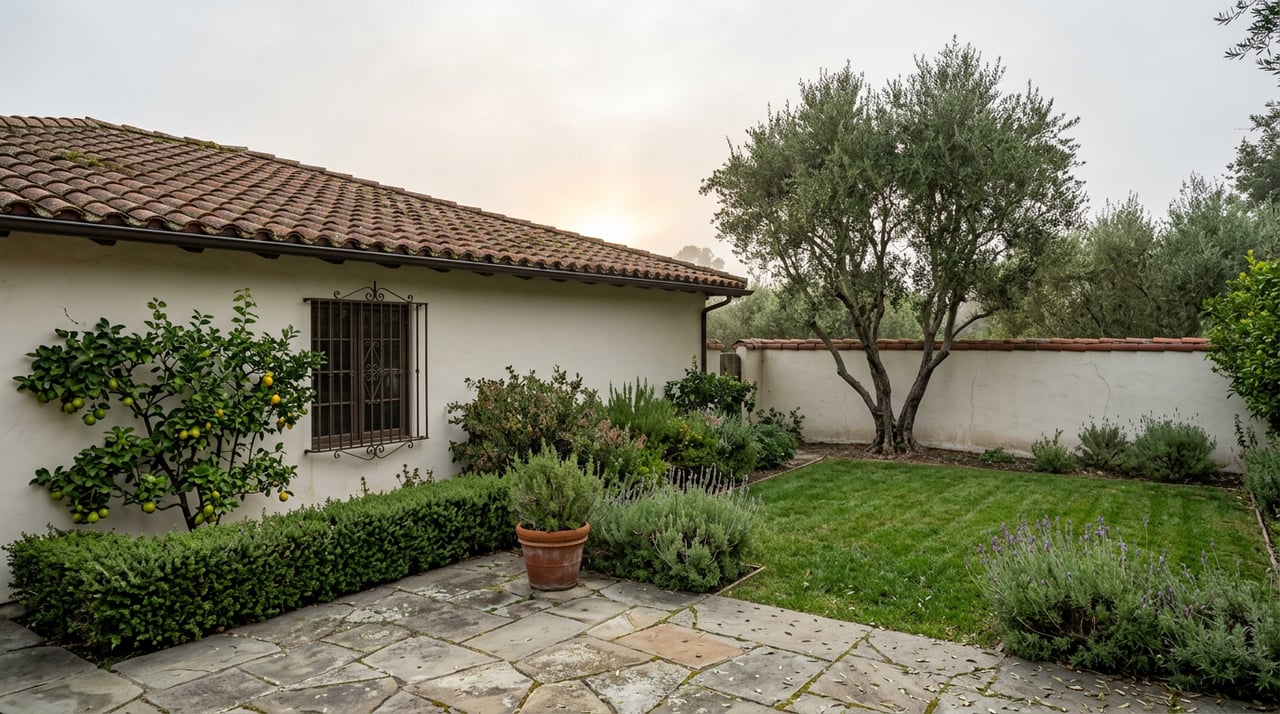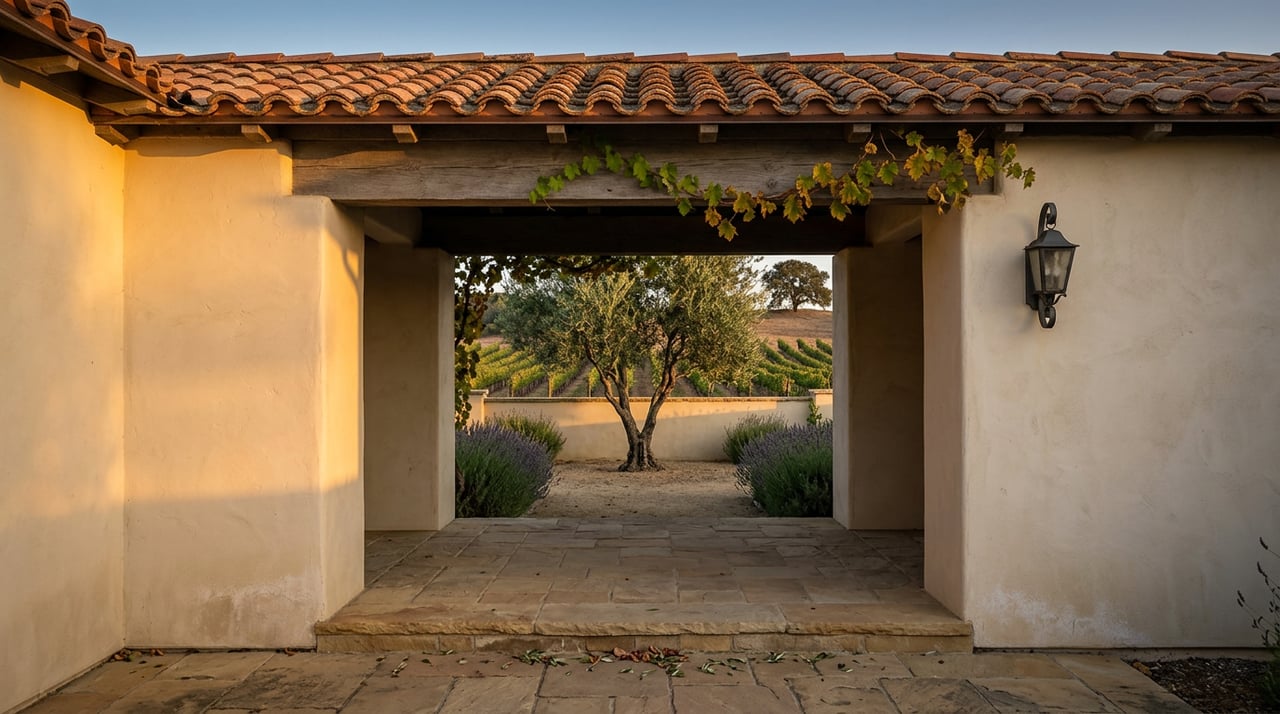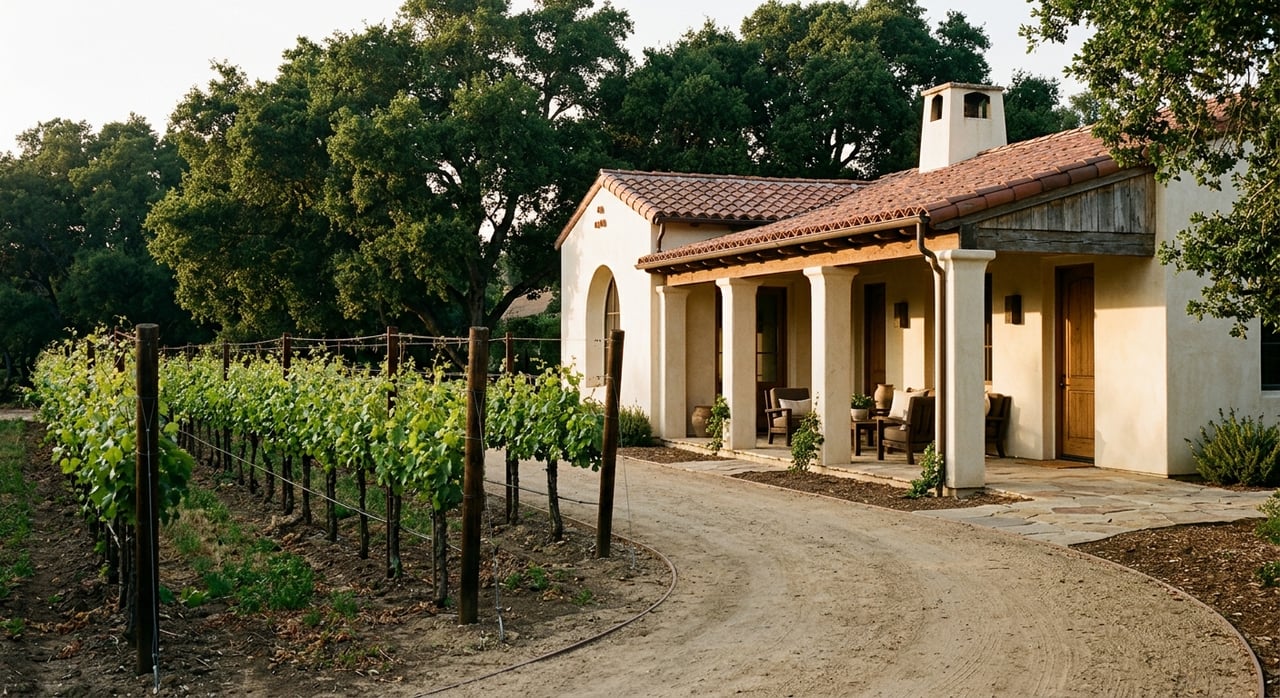
If you are looking for land in North County that can do more than simply hold a house, San Miguel deserves a closer look. This is the kind of market where vineyard potential, ranch utility, and estate privacy can come together, but only when the parcel truly fits your goals. If you want to understand what makes San Miguel different and what to verify before you buy, you are in the right place. Let’s dive in.
Why San Miguel Stands Out
San Miguel is not best understood as a typical bedroom community or subdivision market. In San Luis Obispo County planning documents, it is identified as an unincorporated community about seven miles north of Paso Robles in the Salinas River Valley, within the broader Paso Robles AVA area.
That setting matters because buyers often come here for land-based opportunity. San Miguel is closely tied to a working agricultural landscape, wine-country identity, and rural lifestyle appeal that can support everything from a private estate vision to a vineyard or ranch purchase.
San Miguel Has an Agriculture-First Identity
One of the clearest things about San Miguel is its agricultural character. Local tourism and county planning sources describe the area as a mix of vineyards, almond orchards, and cattle ranches, with strong ties to farm production and wine-country activity.
For you as a buyer, that means the land often drives the value story more than the residence alone. A home may be important, but in many cases the real question is how the acreage functions, what it allows, and how it fits your long-term plans.
What That Means for Buyers
If you are exploring San Miguel, you are likely looking for one or more of these features:
- Vineyard potential
- Grazing or ranch utility
- Privacy and large-acreage living
- A rural estate setting
- Agricultural production or agritourism appeal
This is why San Miguel often attracts buyers who want a lifestyle asset, not just a place to sleep at night. The area can appeal to those seeking space, scenic surroundings, and land with purpose.
AVA Status Requires Parcel Verification
San Miguel has strong wine-country appeal, but buyers should be careful not to make assumptions about appellation status. The county community plan places San Miguel within the Paso Robles AVA context, and the TTB also recognizes the San Miguel District AVA in San Luis Obispo County.
At the same time, AVA boundaries are official map-based definitions. That means you should verify a parcel's exact location before assuming it qualifies for a specific appellation or vineyard branding opportunity.
Why Appellation Details Matter
For vineyard-minded buyers, AVA placement can affect how you think about:
- Branding and market identity
- Planting strategy
- Long-term land use goals
- The property's position within the wider wine region
In a market like San Miguel, parcel-by-parcel diligence matters more than broad assumptions. Two properties may sit in the same general area but offer very different opportunities once mapping and land characteristics are reviewed.
Parcel Size and Land Use Are Not One-Size-Fits-All
San Luis Obispo County does not apply one simple lot-size rule to agricultural land. According to the county's Agriculture Element, land-division minimums depend on soil class and whether land is irrigated.
That makes San Miguel different from a standard residential search. Here, you are often evaluating an agricultural holding first, with the residential component playing a secondary role in the overall analysis.
Key Takeaway on Land Division
The county's baseline framework includes these examples:
- Irrigated Class I and II land can be divided at 40 acres
- Non-irrigated Class III and IV land can be divided at 160 acres
- Class VI and VII land can be 40 acres when planted to orchards or vineyards
- Class VIII land remains 320 acres
There are also planning concepts near San Miguel that may allow smaller residential lots in Major Agricultural Cluster projects when most of the site remains open space. That is a very specific framework, so it should never be assumed without careful review.
Due Diligence Items to Review Early
When you evaluate vineyard, ranch, or estate property in San Miguel, some of the most important issues include:
- Zoning and allowed uses
- Williamson Act status
- Easements and access rights
- Septic considerations
- Soils and planting suitability
- Buildability and site constraints
These are not minor details. They shape what the property can realistically become and how smoothly your ownership experience may unfold.
Water Should Be a Top Priority
In San Miguel, water is not a box to check at the end of escrow. It is one of the first things to understand because the local planning record makes clear that the area is water-sensitive.
The San Miguel community plan states that the area has no supplemental surface water allocations and relies on conservation, efficiency, and possible supplemental-water strategies. The plan also notes localized pumping depressions and broader groundwater declines within the greater Paso Robles Groundwater Basin.
Why Water Changes the Buying Equation
If you are considering a vineyard, ranch, or large estate parcel, water availability can affect nearly every part of your decision, including:
- Irrigation potential
- Operational costs
- Future improvements
- Long-term agricultural viability
- Overall property value and risk
San Miguel Community Services District provides water, wastewater, fire protection, street lighting and landscaping, and solid waste services, and it is actively filing annual reports for the Paso Robles Subbasin. Even so, for many rural purchases, well performance, pumping capacity, and irrigation infrastructure deserve close review from the start.
Inventory Tends to Favor Large Acreage
Current listing patterns reinforce San Miguel's identity as a land-driven market. At the time of the research, available properties included large agricultural and ranch parcels such as 177-acre, 80-acre, 85-acre, and 79-acre offerings.
Separate ranch inventory research showed only a very small number of active ranch listings, including 177-acre and 695-acre tracts. That kind of snapshot suggests San Miguel is not primarily a conventional resale-home market. It is better framed as a search area for buyers seeking meaningful acreage.
What You Can Expect in the Search
Compared with a more typical residential market, your San Miguel search may involve:
- Fewer listings
- Larger parcel sizes
- Greater variation from one property to the next
- More technical review before writing an offer
- A stronger focus on land utility than interior finishes alone
That can be a major advantage if you want something distinctive. It also means patience and strategy matter, especially when the right parcel may not look interchangeable with the next one.
Who San Miguel Fits Best
San Miguel tends to work well for buyers who want more than a standard wine-country home. If your vision includes vines, grazing land, a private rural compound, or a legacy holding with room to evolve, this area may offer a strong fit.
It can also appeal if you value the feel of a working agricultural setting. The draw here is often the combination of open land, production potential, and a quieter North County lifestyle tied to the broader Paso Robles wine region.
Questions to Ask Before You Buy
Before moving forward on a San Miguel vineyard, ranch, or estate property, ask:
- Is the parcel within the AVA area I care about?
- What is the verified water source and capacity?
- How do soils and topography affect use?
- What land-use restrictions or contracts apply?
- What access, septic, and infrastructure issues need review?
- Does the property support my goals today and later on?
Those questions can help you separate a beautiful piece of land from a truly workable investment in your future.
A Thoughtful Approach Pays Off
San Miguel can be a compelling place to buy if you approach it with clarity and discipline. The opportunity is real, but success usually comes from understanding the exact parcel rather than falling in love with the general idea of acreage.
That is especially true when you are weighing vineyard potential, ranch use, or estate development. In this market, careful verification of appellation, zoning, and water is what turns a promising property into a confident purchase.
If you are considering vineyard, ranch, or estate opportunities in San Miguel, working with a local advisor who understands complex rural assets can help you evaluate the land with the care it deserves. For discreet guidance and a thoughtful search strategy, connect with Michele Smith eXp Realty of California Inc..
FAQs
What kind of properties are common in San Miguel?
- San Miguel is more commonly associated with larger-acreage agricultural, ranch, and rural estate properties than with conventional subdivision-style housing.
Does every San Miguel property qualify for a vineyard appellation?
- No. AVA boundaries are map-based, so each parcel should be verified individually before assuming eligibility for a specific appellation.
Why is water such an important issue for San Miguel buyers?
- Local planning documents note groundwater-related challenges and no supplemental surface water allocations, so wells, pumping capacity, and irrigation infrastructure are key parts of due diligence.
Are land-use rules the same for every San Miguel parcel?
- No. San Luis Obispo County land-division standards vary based on factors such as soil class and irrigation, so parcel-level review is essential.
Is San Miguel a good fit for buyers seeking a rural estate lifestyle?
- It can be, especially if you want privacy, acreage, agricultural utility, and a setting connected to the broader North County wine-country landscape.