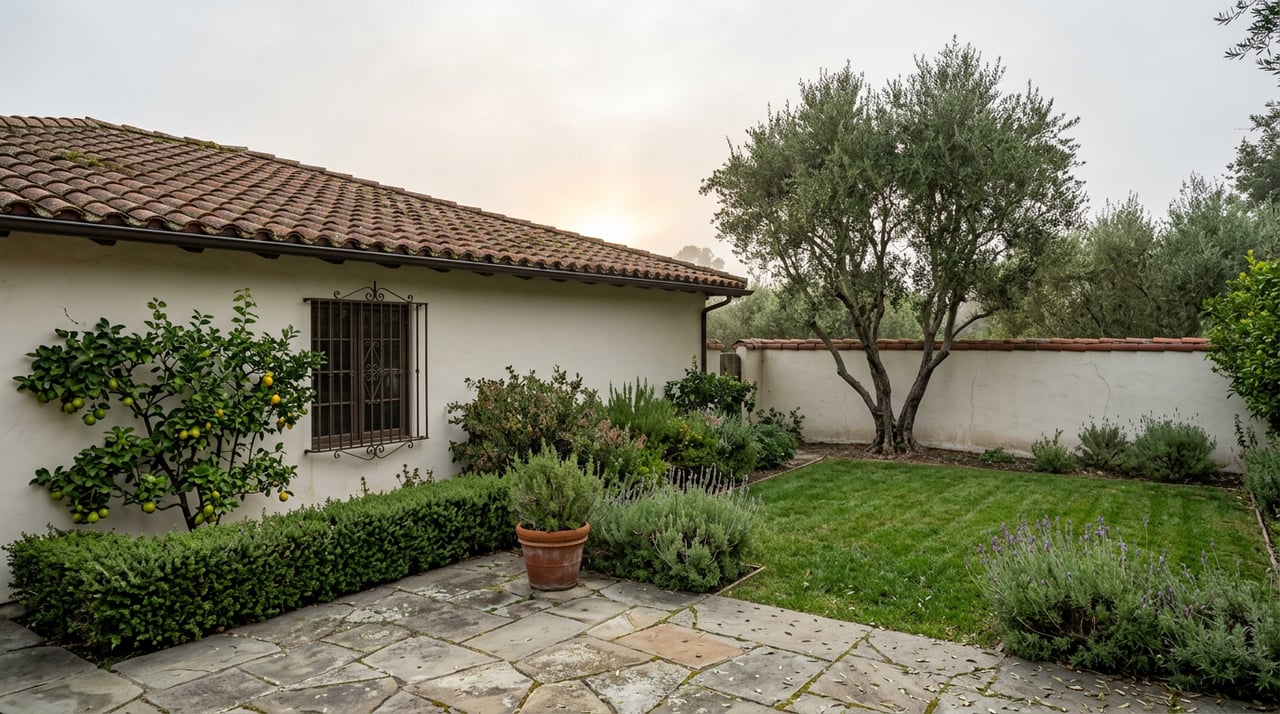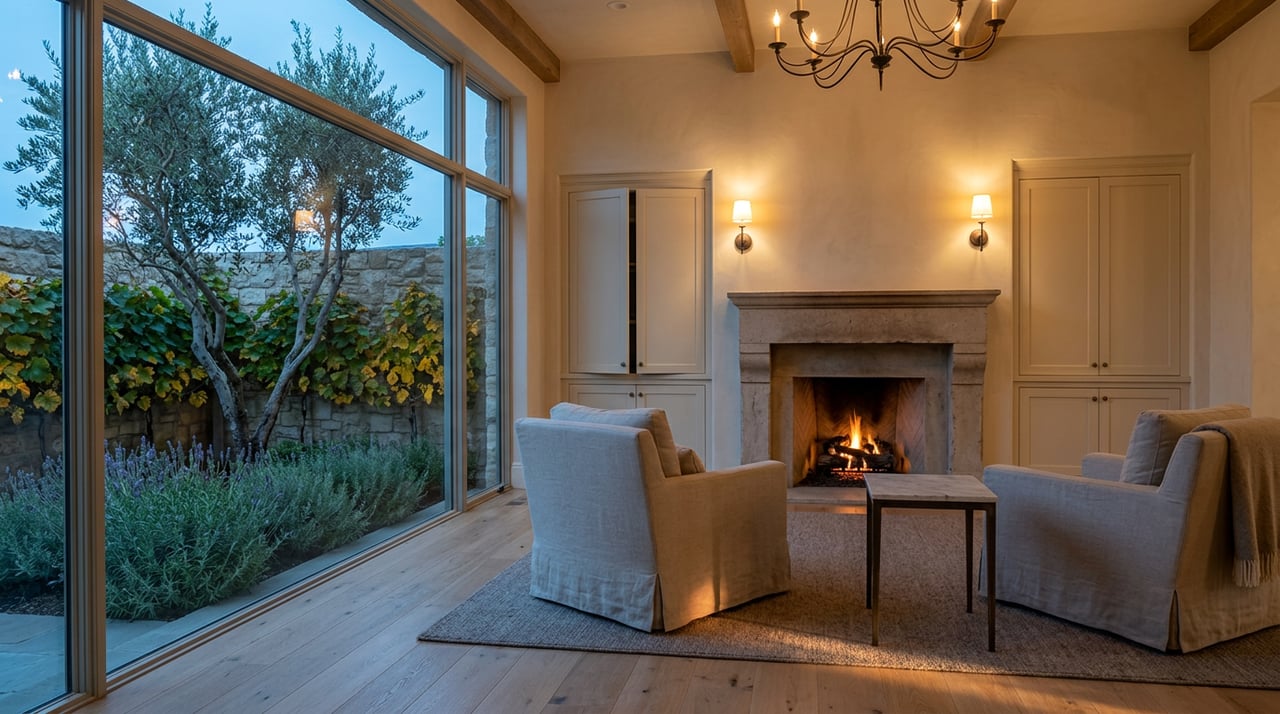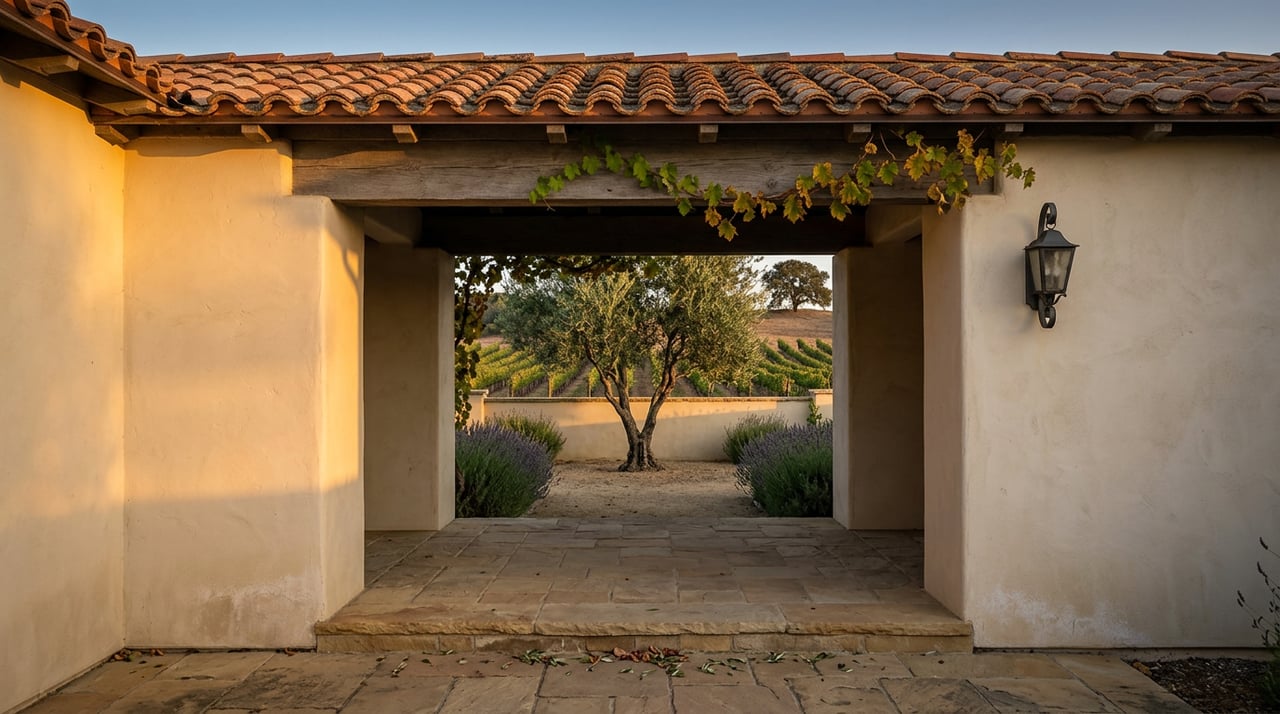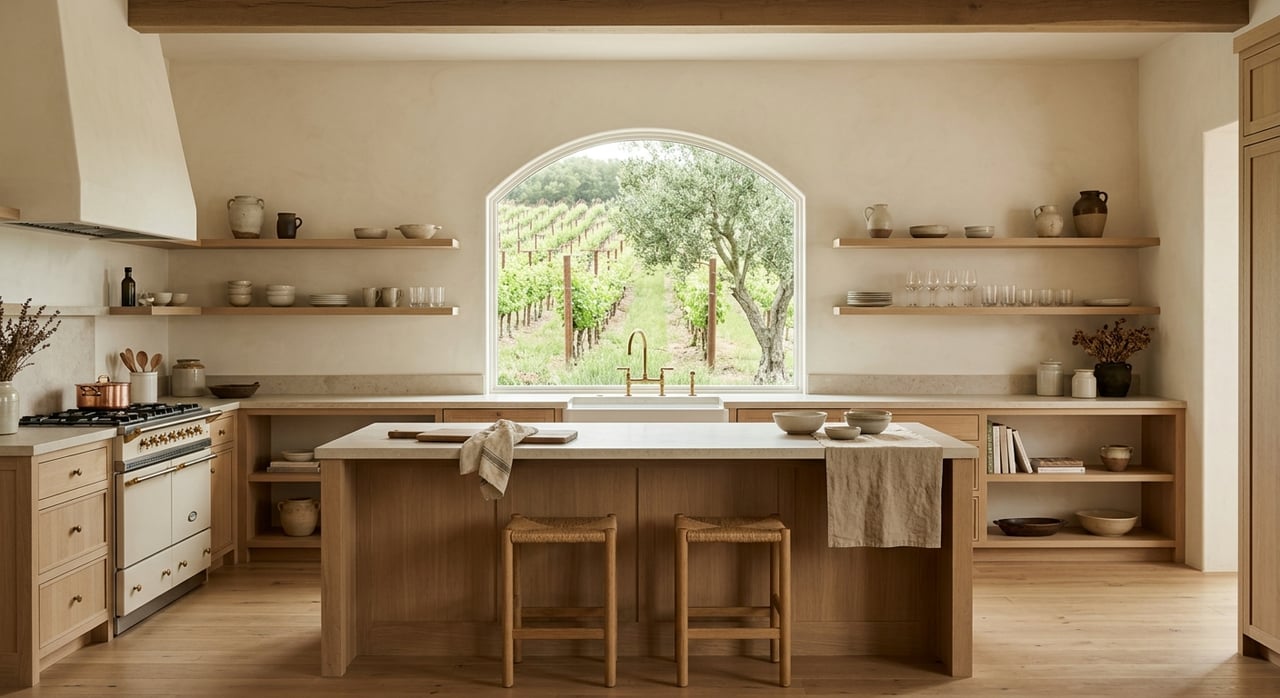
Dreaming about a vineyard home in Paso Robles? The view is real, the lifestyle is special, and so is the work that comes with it. If you are thinking about buying a wine-country property here, it helps to understand both the beauty and the day-to-day reality before you fall in love with the setting. Let’s dive in.
Paso Robles Vineyard Living at a Glance
Paso Robles is a federally recognized American Viticultural Area, or AVA, with distinguishing geography and climate that support grape growing. Today, the region is known for hundreds of wineries, about 40,000 planted vineyard acres, 11 sub-AVAs, varied topography, and many microclimates.
That setting is a big part of the draw. The area’s mix of rolling terrain, soil diversity, and wide temperature swings helps create the scenic, open, wine-country feel that many buyers picture when they imagine owning acreage here.
Why the Setting Feels So Different
Paso Robles wine country is not one-note. Local wine-country materials describe roughly 30 soil series and a typical 40 to 50 degree day-night swing during the growing season.
For you as a homeowner, that can translate into warm days, cool evenings, and a strong sense of seasonality. It also helps explain why so many properties feel private, spacious, and closely tied to the land.
The Climate Shapes Daily Life
The weather in Paso Robles is a major part of vineyard ownership. NOAA climate normals show an annual mean temperature of 59.7°F and annual precipitation of 15.26 inches.
Summers are hot and dry, with average highs of 90.5°F in July and 92.1°F in August. Winter is milder and wetter, with an average January high of 55.0°F.
If you are used to a more suburban ownership experience, this matters. Life on a vineyard parcel tends to follow the agricultural calendar, not just a standard residential routine.
What Each Season Really Brings
Spring Means Growth and Frost Watch
Spring is when vines begin budbreak and hand work ramps up. It is also a time when frost can be a concern, so property management may involve close attention to weather and vine protection.
For you, that means spring can be active even when the property looks calm from the house. Behind the scenes, this is often one of the more closely watched times of year.
Summer Means Irrigation and Fire Awareness
Summer brings canopy growth, irrigation decisions, and drip-system checks. In Paso Robles, hot and dry conditions make water management especially important.
This is also the season when vegetation control matters for fire safety. Mowing, grazing, and keeping certain areas clear can become a regular part of maintaining the property.
Fall Means Harvest Activity
Fall is harvest season, often with early-morning picking before temperatures rise. It can also bring more visitor activity and events across wine-country corridors.
Depending on where the property sits, you may notice more movement in the area during peak wine-country weekends. That can be part of the charm, but it is still something you should factor into your lifestyle fit.
Winter Means Dormancy and Property Checks
In winter, vines go dormant and rains return. The focus often shifts from fruit production to land conditions, access, drainage, and weather timing.
For many owners, winter is when you get a clearer picture of how the land behaves. It is also a reminder that a vineyard property is a working landscape, even in the quiet season.
A Vineyard Home Is Rarely Hands-Off
One of the biggest surprises for buyers is this: vineyard ownership is usually not passive. UC ANR describes irrigation as a timing-sensitive process that requires watching vine stress, tracking water demand, and checking drip emitters for clogging or pressure differences.
In practical terms, that means systems need oversight. Even if you hire out most of the work, you still want to know who is monitoring the vines, the water, and the equipment.
Water Is a Key Part of the Story
In Paso Robles, water is not just a line item. The Paso Robles Groundwater Basin covers about 436,000 acres and is managed by multiple groundwater sustainability agencies under California’s SGMA framework, with annual reports required by the county.
For a buyer, that makes water-source questions essential. You want to understand how the parcel is supplied, how dependable that source has been, and what the property’s well or irrigation history looks like.
Salinity Matters Too
UC ANR’s San Luis Obispo County extension notes that soil salinity can be a concern in many irrigated Central Coast areas, especially where irrigation-water quality is marginal. That does not mean every vineyard parcel has the same issue.
It does mean water quality deserves as much attention as water quantity. When you are evaluating a property, this is one of the practical details that can shape both maintenance and long-term performance.
Frost and Fire Are Part of Ownership Reality
Paso Robles vineyard living is beautiful, but it is still an agricultural environment. UC ANR notes that frost damage can affect vineyards in spring and fall, and common management methods include airflow or water-based protection.
Wildfire preparation is another ongoing part of ownership. UC ANR guidance recommends keeping vineyard alleys low through mowing or grazing, clearing fence lines, and storing equipment in hardened or bare-soil areas when possible to reduce ember risk.
For you, this means a vineyard home is more than a pretty address. It is a property that benefits from active stewardship and a clear maintenance plan.
Not Every Vineyard Property Works the Same Way
This is where smart buying matters. A Paso Robles vineyard home might be a fully working vineyard, a view estate with a few decorative vines, or a larger property where farming is leased out.
Those are very different ownership experiences. The amount of time, oversight, cost, and operational involvement can change significantly depending on which type of property you are buying.
Questions to Ask Before You Tour
If you are seriously considering a vineyard home in Paso Robles, ask direct questions early. A beautiful setting can still come with responsibilities that are easy to overlook on a first showing.
Here are some of the most important things to clarify:
- Is this a working vineyard, a view-focused estate, or a parcel with leased farming?
- Who currently handles irrigation, pruning, frost protection, and harvest logistics?
- What is the water source, and what is known about the well, basin conditions, or irrigation history?
- Is there any known salinity concern tied to the parcel or water quality?
- What wildfire-prevention practices are already in place?
- How much seasonal visitor traffic or event activity comes with this location?
The Lifestyle Upside Buyers Love
Of course, people are drawn to Paso Robles for good reason. Vineyard homes here can offer rolling views, privacy, open skies, and a sense of place that feels hard to find in more built-up markets.
Paso Robles is also unusually connected for a rural wine-country destination. Local visitor resources highlight a historic downtown square, beaches, hiking, cycling, golf, and Hearst Castle nearby, giving owners access to both quiet acreage and a full Central Coast lifestyle.
A More Personal Wine-Country Feel
The wine scene in Paso Robles often feels personal rather than corporate. Local wine-country materials say 95% of wineries are family owned and 77% produce fewer than 5,000 cases.
That helps explain the owner-driven character many buyers notice right away. It is part of what makes the area feel grounded, local, and distinct.
Who Vineyard Ownership Fits Best
A vineyard home in Paso Robles can be a strong fit if you want scenery, privacy, and a property with real connection to the land. It can also work well if you understand that even a beautiful estate may operate on an agricultural rhythm.
This lifestyle tends to suit buyers who value stewardship as much as aesthetics. If you want a place that feels meaningful, seasonal, and tied to Paso Robles wine country, the experience can be deeply rewarding.
The Bottom Line on Paso Robles Vineyard Homes
Owning a vineyard home in Paso Robles is not just about waking up to vines. It is about living in a real agricultural setting shaped by climate, water, seasonal work, and land management.
When the property matches your goals, that reality is not a drawback. It is part of the appeal. With the right guidance, you can find a vineyard home that fits the lifestyle you want and the level of involvement you are ready to take on.
If you are considering a vineyard estate, view acreage, or a more complex rural purchase in Paso Robles, Michele Smith eXp Realty of California Inc. offers thoughtful, discreet guidance rooted in local wine-country expertise.
FAQs
What is vineyard-home ownership like in Paso Robles?
- It is a mix of scenic living and active property stewardship, with ownership shaped by seasonal vineyard work, water management, and land maintenance.
Is every Paso Robles vineyard home a working vineyard?
- No. Some properties are active vineyard operations, some have only a few vines for aesthetics, and others may have farming managed by a third party.
How hot is summer at a Paso Robles vineyard property?
- NOAA normals show average highs of 90.5°F in July and 92.1°F in August, so summer ownership usually means planning around heat, irrigation, and dry conditions.
Why is water so important for Paso Robles vineyard properties?
- Water matters because vineyard performance and property maintenance depend on reliable supply, and the Paso Robles Groundwater Basin is a major local factor in long-term water planning.
What risks should buyers consider with Paso Robles vineyard homes?
- Buyers should pay close attention to irrigation systems, water reliability, possible salinity issues, frost exposure, wildfire preparation, and how much ongoing management the parcel requires.
Does Paso Robles vineyard living come with more visitor activity?
- It can, especially near tasting corridors and during recurring wine-country events like festival and harvest weekends.