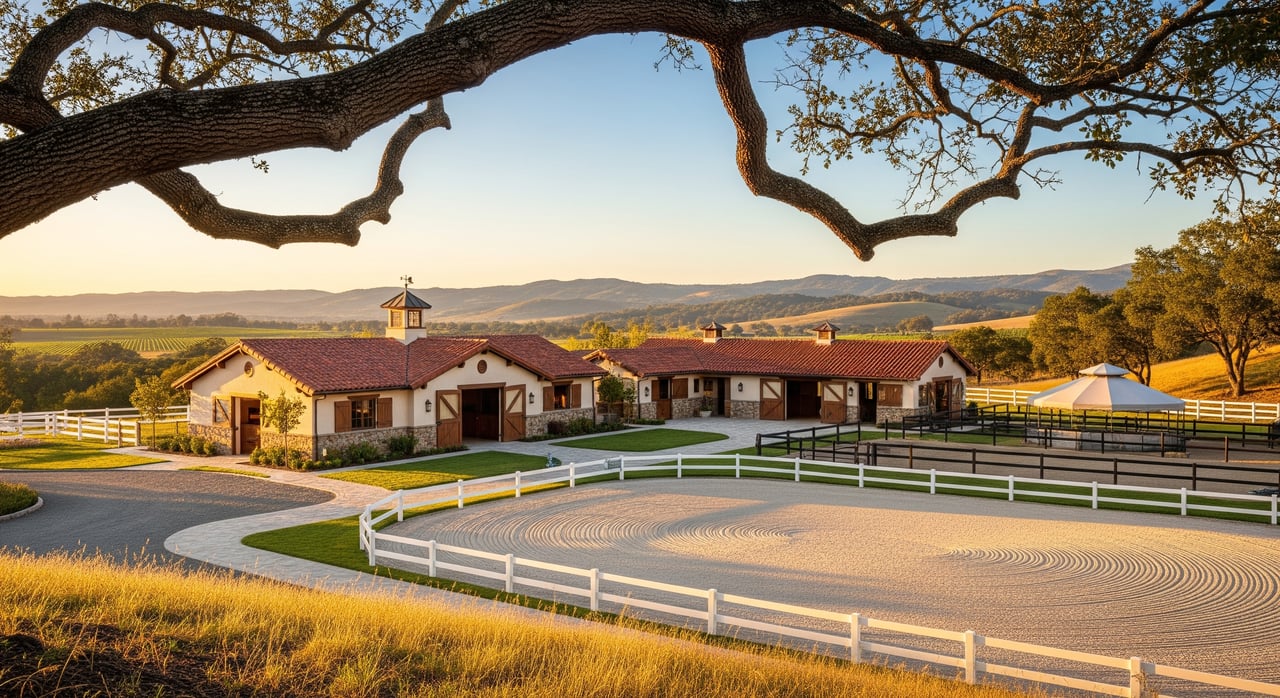
If you dream of riding out from your back door on a crisp Templeton morning, the right property features make all the difference. In our Mediterranean climate, water, layout and safety details determine how smoothly your day runs year-round. Whether you’re shopping for an equestrian estate or preparing to sell one, knowing what truly matters will help you move with confidence. This guide breaks down the must-have features buyers expect in Templeton and the practical upgrades sellers can prioritize. Let’s dive in.
Water and well readiness
Water drives everything here. Many Templeton properties rely on private wells or hauled water, so you’ll want clear information on well depth, yield and water quality. Irrigation is common for pastures and arena dust control, especially in hot, dry summers.
- Ask for well logs, recent tests and any well-sharing agreements.
- Confirm irrigation infrastructure and the cost to run it in summer.
- Evaluate how water supports your turnout goals and hay storage needs.
Sellers: have documentation ready and organized. Transparent water info builds trust.
Usable acreage and layout
Usable acreage matters more than total acreage. Look for gently sloped ground that drains well and avoids low, clay-heavy spots.
- Aim for multiple paddocks for rotation and quarantine.
- Keep paddocks near the barn, with a safe corridor to the arena.
- Plan separate hay storage and a designated manure area away from water sources and neighbors.
This kind of layout makes daily chores faster, safer and easier.
Safe, visible fencing
Fencing should be safe, visible and in good condition. Buyers commonly look for rail or welded pipe, or high-tensile paired with a visible top rail. Woven wire can work for perimeters when combined with a top rail.
- Height around 4.5 to 5 feet supports horse safety.
- Inspect for straight lines, sound posts, proper bracing and smooth hardware.
- Gates should be secure yet easy to open in an emergency and wide enough for trailers.
Sellers: repairing broken rails and sagging wire is a high-value, cost-effective upgrade.
Barn and stabling essentials
Comfortable, functional barns stand out. Many buyers expect 12-by-12 stalls, with 10-by-12 common for smaller barns. Wider stalls are preferred for broodmares, stallions or performance horses. A center-aisle layout with a 10 to 12 foot aisle makes daily movement safer.
- Include a ventilated tack room and rodent-resistant feed storage.
- Provide a wash rack with hot and cold water and good drainage.
- Add rubber mats on compacted base for stalls and high-traffic aisles.
- Improve ventilation, natural light and reliable night lighting.
In higher fire-risk areas, non-combustible siding or roofing and clear defensible space are attractive upgrades.
Arena size, footing and drainage
A well-built arena increases a property’s value and your horse’s wellbeing. Multi-use sizes often range from 100 by 200 feet. Dressage riders may look for 20m by 40m or 20m by 60m. Larger performance setups may require more space.
- Orientation should consider sun angles and prevailing winds to reduce glare and dust.
- A quality arena has a load-bearing base, a shock-absorbing layer and a consistent top surface.
- Proper drainage and crown prevent pooling and extend use after rain.
Sellers: be ready to explain footing type, base construction and maintenance schedule. Buyers value low dust and even cushion.
Trailer access and parking
Smooth circulation is non-negotiable for most horse owners. Tight turns and low branches can be deal breakers.
- Provide a wide driveway and gates at least about 12 feet wide for single trailers, and 14 to 16 feet for larger rigs.
- Ensure 12 to 14 feet of vertical clearance for overhead lines and limbs.
- Include a loop drive or clear turnaround and compacted gravel at gates and loading areas.
- Offer parking for at least one trailer plus support vehicles.
These upgrades save time and reduce risk in daily use and during emergencies.
Pasture and forage planning
Templeton’s dry summers typically require supplemental hay, even with irrigation. Pasture capacity depends on soil, water and management.
- Plan for covered, ventilated hay storage that’s off the ground and accessible by delivery trucks.
- Consider irrigation to extend the grazing season and evaluate water costs.
- Use cross-fencing to rotate turnout and protect ground cover.
Buyers often ask how many horses a property can support year-round without extra hay. Be ready with an honest, season-specific answer.
Biosecurity and wash areas
Healthy herds start with smart layout. An isolated paddock or stall for new or sick horses is a plus for any multi-horse setup.
- Provide a designated wash and vet exam area with non-slip surfaces and safe drainage.
- Show insect control measures and a clear manure program.
Simple measures like this reassure buyers and reduce long-term costs.
Lighting and utilities
Evening use is common. Make sure your electrical system is safe and adequate.
- Add exterior lighting for arenas, barns and access points.
- Use GFCI outlets at wash racks and near water.
- Document electrical capacity and any separate metering for barn operations.
Clear documentation helps buyers plan upgrades like heated tack rooms or hot water.
Wildfire readiness
Wildfire planning is essential in parts of San Luis Obispo County. Buyers look for properties that are set up for quick action.
- Maintain defensible space around barns and structures per local guidance.
- Keep a visible address marker at the road and clear access for emergency vehicles.
- Provide trailer parking and an evacuation staging area with easy gate access.
- Confirm evacuation routes and alternates.
Sellers who can present a written plan and photos of defensible space stand out.
Zoning, permits and allowed uses
Know what you can do on the property. County zoning determines whether boarding, lessons, training or events are allowed. Some uses may require a conditional use permit.
- Verify permits for barns, arenas and significant fencing.
- Check septic capacity and setbacks before adding structures or bathrooms.
- For larger operations, confirm feasibility for hauled water or commercial septic solutions with county environmental health.
Being proactive about compliance reduces surprises and protects value.
Seller upgrades that resonate
You don’t need to rebuild an entire facility to make a strong impression. In Templeton, these practical improvements punch above their cost:
- Repair or replace fencing and hardware, and align gates for smooth operation.
- Widen gates, clear branches and add compacted gravel where rigs turn.
- Refresh barns with clean tack and feed rooms, repaired stall boards and rubber mats.
- Level arenas, improve drainage, and refresh footing. Add simple arena lighting if feasible.
- Build or improve dry, accessible hay storage.
- Install or upgrade a wash rack with hot water and safe drainage.
- Complete fire-safety actions and post a clear evacuation plan.
Reserve high-cost projects, like a professionally rebuilt arena or automatic waterers, for cases where your target buyer will value them.
What to document for buyers
Clear records help buyers act decisively. Prepare a concise package that includes:
- Well logs, water tests and any sharing agreements.
- Permits for barns and arenas, plus septic inspections.
- Arena construction details and maintenance history.
- Fencing types, ages and repair records.
- A manure management summary and service contacts.
- A map of trailer access, turnaround and evacuation staging.
Photos of barns, stall measurements and arena footing across seasons are powerful.
Smart site visits for buyers
Walk the property more than once. Conditions change with weather and time of day.
Visit in dry and wet seasons to evaluate drainage, dust and footing.
Check sun angles and wind patterns during your typical riding hours.
Test trailer access with your vehicle if possible.
Time the drive to large-animal vets, farriers, feed and hay suppliers, and nearby riding areas.
A deliberate approach will help you confirm that the property truly fits your routine.
Ready to find or present a Templeton equestrian estate with confidence? Reach out to Michele Smith eXp Realty of California Inc. for local guidance and a boutique, stewardship-first strategy.
FAQs
What defines usable acreage on a horse property in Templeton?
- Usable acreage is gently sloped, well-drained ground with space for paddocks, a safe corridor to the arena, and separated areas for hay and manure, not just the total parcel size.
How important is well capacity for an equestrian estate?
- It is central. Private wells often support horses, pasture irrigation and arenas, so you should verify well yield, water quality and any sharing agreements before you buy.
What arena size works for most riders in Templeton?
- Multi-use arenas around 100 by 200 feet suit many disciplines, while dressage riders often prefer 20m by 40m or 20m by 60m, with footing and drainage as top priorities.
How should I plan for wildfire evacuation with horses?
- Maintain defensible space, post a visible address, ensure wide gates and trailer turnarounds, and map primary and alternate routes with a designated trailer staging area.
Do I need permits for barns and arenas in San Luis Obispo County?
- Often yes. New barns, arenas and significant fencing may require permits, and some commercial activities can need a conditional use permit. Verify with county planning.
What fencing types are safest for horses?
- Rail or welded pipe is popular for visibility and safety. High-tensile with a visible top rail and woven wire with a top rail can also work when properly installed and maintained.
Which seller upgrades add the most value to horse buyers?
- Repairs to fencing and gates, improved trailer access, refreshed arena footing and drainage, clean and functional barn spaces, dry hay storage and a well-set wash rack stand out.