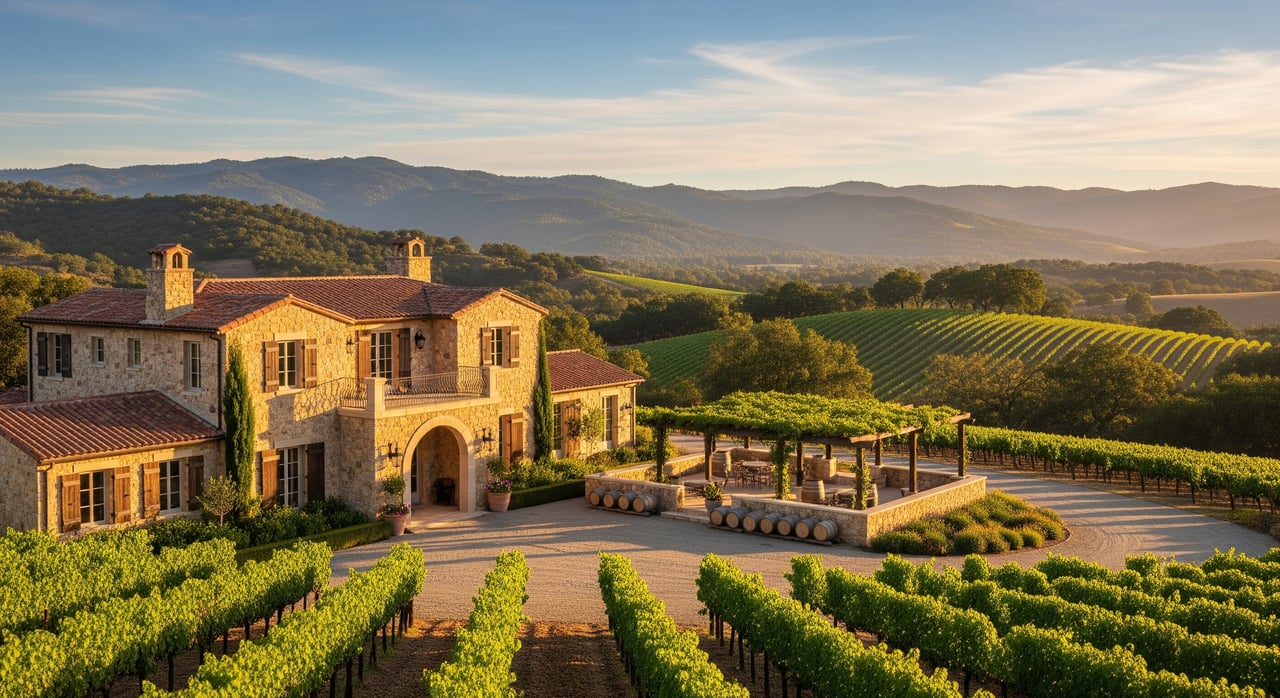
Thinking about buying acreage or an estate in Paso Robles? If you have ever wondered why the same hillside can feel cooler than the valley right next to it, or why certain labels command higher prices, AVA boundaries are a big part of the story. As a buyer, you are not just choosing a home site. You are choosing microclimate, soils, scenery, and day‑to‑day lifestyle. In this guide, you will learn how Paso Robles’ 11 AVAs shape property character, vineyard potential, and long‑term enjoyment, plus a practical checklist to evaluate any parcel with confidence. Let’s dive in.
What an AVA means for buyers
An American Viticultural Area is a federally recognized grape‑growing region defined by the U.S. Alcohol and Tobacco Tax and Trade Bureau. It is designated for its unique geographic, climatic, or geological traits. An AVA is a labeling designation, not a land‑use permit. It does not change zoning, taxes, or your building rules.
For wine, the rule to remember is simple. At least 85 percent of the grapes in a bottle must come from the AVA named on the label. This makes AVAs important for marketing and perceived quality.
Paso Robles is large and diverse. To reflect that, the original Paso Robles AVA was subdivided into 11 distinct sub‑AVAs. That process was completed in 2014. For you, those boundaries can signal differences in cooling influence, elevation, soils, winery activity, access, and even insurance costs, which all factor into value and lifestyle.
The big forces that shape Paso properties
Elevation and topography
Elevation and slope are major drivers of temperature, sunlight, and frost risk. West‑side hills and ridges are typically higher and cooler during the day, with strong night cooling. Slopes often have better air drainage, which reduces frost pockets. These sites also deliver sweeping views that many estate buyers prize.
On the east‑side valley floors, you will find warmer days, deeper alluvial soils, and less marine influence. These areas suit larger plantings, later‑ripening varieties, and often come with a more accessible price per acre.
Coastal influence and the Templeton Gap
The Templeton Gap channels afternoon and evening marine air inland. If you stand in that corridor, you will feel the difference as temperatures drop and breezes pick up. This cooling produces larger day‑night swings and longer hang time for grapes. It also creates microclimates within short distances. Two neighboring properties can have noticeably different nighttime lows and growing patterns.
Soils and underlying geology
Paso Robles features a mosaic of calcareous and limestone soils, fractured shale and sandstone, and deeper alluvial and loam deposits. Limestone and calcareous hillsides on the west side are prized for drainage and complexity in wine. Alluvial soils on valley floors support deeper root zones and higher yields, though they may require more water and can create different flavor profiles.
Temperature, water, and diurnal range
Paso Robles is known for warm days and cool nights. A high diurnal range supports balanced ripening, which is a positive for premium viticulture. Annual rainfall is modest, so irrigation is common. Water availability, well yield, and water quality are critical to vineyard feasibility and long‑term costs. Always verify.
Winds, frost, and wildfire
Prevailing winds can reduce vine vigor and increase irrigation needs. Cold air can pool in low areas, creating frost pockets. Location, elevation, and slope orientation matter. Wildfire risk is a reality for rural estates in San Luis Obispo County. Vegetation type, defensible space, and insurance options can vary by micro‑area. Plan for mitigation and budget for coverage.
How the 11 sub‑AVAs feel on the ground
The 11 sub‑AVAs create clear patterns that you can use while scouting properties. While each parcel is unique, the groupings below describe common buyer takeaways.
West‑side high ridges and hills
- Expect: Cooler daytime highs, big day‑night swings, marine influence on upper slopes, and rocky calcareous or limestone soils.
- Best for: Panoramic view estates and premium vineyards with Rhône varieties and high‑quality Cabernet and Syrah.
- Keep in mind: Lower yields but higher price potential for fruit, higher site prep costs on rocky slopes, and a strong wine‑country estate feel.
Templeton Gap and coastal‑influence corridor
- Expect: Reliable afternoon and evening cooling, moderate days, and cool nights. Soils vary with pockets of sandstone, loam, and alluvium.
- Best for: Buyers seeking balance between rural quiet and access to Paso Robles and US‑101, plus premium grape quality with retained acidity.
- Keep in mind: Micro‑pockets can differ within a mile. A viticulturist can help tune variety and rootstock to your exact site.
East‑side warm valleys and plains
- Expect: Hotter daytime temperatures, earlier ripening, and deeper alluvial and loam soils. Larger parcels are more common.
- Best for: Acreage at a more accessible price per acre, higher‑yield plantings, and warm‑site varieties such as Zinfandel and Petite Sirah.
- Keep in mind: Irrigation needs are often higher. Views are broader and open rather than ridge‑top dramatic.
Northern river and creek corridors
- Expect: Mix of cooler pockets and warm valleys depending on elevation and proximity to creeks. Soils range from alluvial fans to benches with variable drainage.
- Best for: Buyers seeking privacy, lower development density, and a classic rural feel.
- Keep in mind: Road access, services, and infrastructure vary. Factor travel time for maintenance and staffing.
Westside bench and Highlands
- Expect: Scenic benchlands, notable limestone pockets, and a strong concentration of premium wineries and estates in certain corridors.
- Best for: Trophy properties, brand‑forward vineyard estates, and owners exploring small‑lot premium bottlings.
- Keep in mind: Tourism traffic can be an asset for direct‑to‑consumer wine sales, but it also means more activity on weekends near tasting routes.
Due diligence for acreage and vineyard potential
Request these documents early
- Parcel map and legal description. Confirm the AVA boundary by overlaying official AVA maps with the parcel.
- Well logs, pump tests, and water quality reports. Ask for San Luis Obispo County well records.
- Septic and percolation results, plus building permit history.
- Soil surveys and any prior soil or pH analyses. Lab tests or soil pits are valuable.
- Crop history and yield records if a vineyard exists, including pest and disease notes, pruning, and trellis details.
- Any agricultural easements, conservation restrictions, CC&Rs, or deed limitations.
- Insurance claims history and documentation for wildfire defensible space.
Walk and test the land
- Visit multiple times and in different seasons. Late winter and harvest reveal frost, wind, and traffic patterns.
- Walk the slopes. Note aspect and potential frost pockets. Confirm views in morning and evening light.
- Observe neighboring uses. Vineyards, spraying schedules, dairies, and planned development can shape your daily experience.
Engage the right experts
- Viticultural consultant for siting, variety, rootstock, and trellis design.
- Soils specialist through NRCS or private firms for profile and rooting depth.
- Licensed well driller or hydrogeologist to assess aquifer and pumping capacity.
- Licensed surveyor to verify boundaries and easements.
- Fire mitigation consultant and an insurance broker who understands local hazard maps.
- Local planning or permit consultant for winery, tasting room, or ag building approvals.
Regulations and cost reality
- Water: Understand irrigation costs, groundwater restrictions, and local sustainability plans.
- Property tax and ag status: Ask about the Williamson Act if applicable and how to maintain any ag valuation.
- Winery and tasting rooms: San Luis Obispo County permits depend on site, neighbors, and road impacts. Conditions can vary by location.
- Fire and insurance: Premiums can vary widely. Defensible space and hardening can improve insurability.
- Labor: Vineyard and estate operations rely on steady labor. Proximity to services and worker housing matters.
Vineyard timelines to expect
- Site prep and planting: Significant up‑front capital for irrigation, trellis, vines, and possible rock work on hillsides.
- First crop: Plan for 3 to 5 years to a commercially viable yield.
- Full production: Often 5 to 7 years before quality stabilizes and the vineyard hits its stride.
- Resale: If your value proposition leans on AVA prestige, being inside a highly regarded sub‑AVA can support long‑term value with wine‑oriented buyers.
Match an AVA to your goals
If your dream is a view‑forward estate with premium hobby vineyard rows, focus on west‑side hills and ridges or the westside bench. You will trade some ease of planting and yield for climate, limestone soils, and scenic drama.
If you want productive acreage and cost‑efficient plantings at scale, the east‑side valleys and plains can be a strong fit. You will want to prioritize well data, irrigation efficiency, and rootstocks suited to warmer conditions.
If you prefer a balanced climate with easy access to town and US‑101, the Templeton Gap corridor is appealing. You can get rural quiet with premium grape potential and manageable conditions.
If privacy and room to spread out are your priorities, the northern river and creek corridors often deliver with competitive pricing. Just confirm road access, services, and seasonal conditions before you commit.
Ready to explore Paso Robles like a local
Choosing the right AVA is about more than a label. It is about how you will live on the land every day, from breeze patterns on summer evenings to the view off your terrace and the feasibility of your vineyard plans. If you want a trusted, hands‑on guide who lives and works these microclimates, reach out to Michele Smith eXp Realty of California Inc.. Request a Confidential Consultation and get a tailored plan to evaluate properties, verify water and soils, and align the right Paso AVA with your goals.
FAQs
Why AVA boundaries matter for Paso Robles buyers
- AVAs signal distinct climate and soils that affect views, comfort, vineyard potential, tourism activity, and long‑term value, even though they do not change zoning or taxes.
Which Paso areas are coolest for view estates
- West‑side hills and ridges and the westside bench tend to be cooler with strong diurnal swings and limestone soils that many premium vineyards favor.
How the Templeton Gap affects daily life on property
- Expect afternoon and evening cooling, breezier conditions, and cooler nights, which can make summer more comfortable and support premium grape ripening.
Is water typically tighter on the east side
- East‑side valleys often need more irrigation due to warmer conditions and deeper alluvial soils, so well yield and water quality should be top due diligence items.
What to know about permits for tasting rooms in SLO County
- Winery and tasting room approvals depend on site specifics, neighbor proximity, and road impacts, so plan early with local planning and permit consultants.
How long it takes to establish a vineyard in Paso Robles
- Budget for 3 to 5 years to first commercial crop and 5 to 7 years for full production quality, with significant up‑front costs for site prep, irrigation, and trellis.