Wondering whether a Paso Robles country estate is the right fit for your next move? If you are drawn to privacy, acreage, vineyard views, or room for horses and guest space, rural property can offer a lifestyle that feels very different from a home on a typical city lot. The tradeoff is that country-estate living usually comes with more property-specific research, especially around zoning, water, septic, and access. Let’s dive in.
Country Estates Mean Rural Living
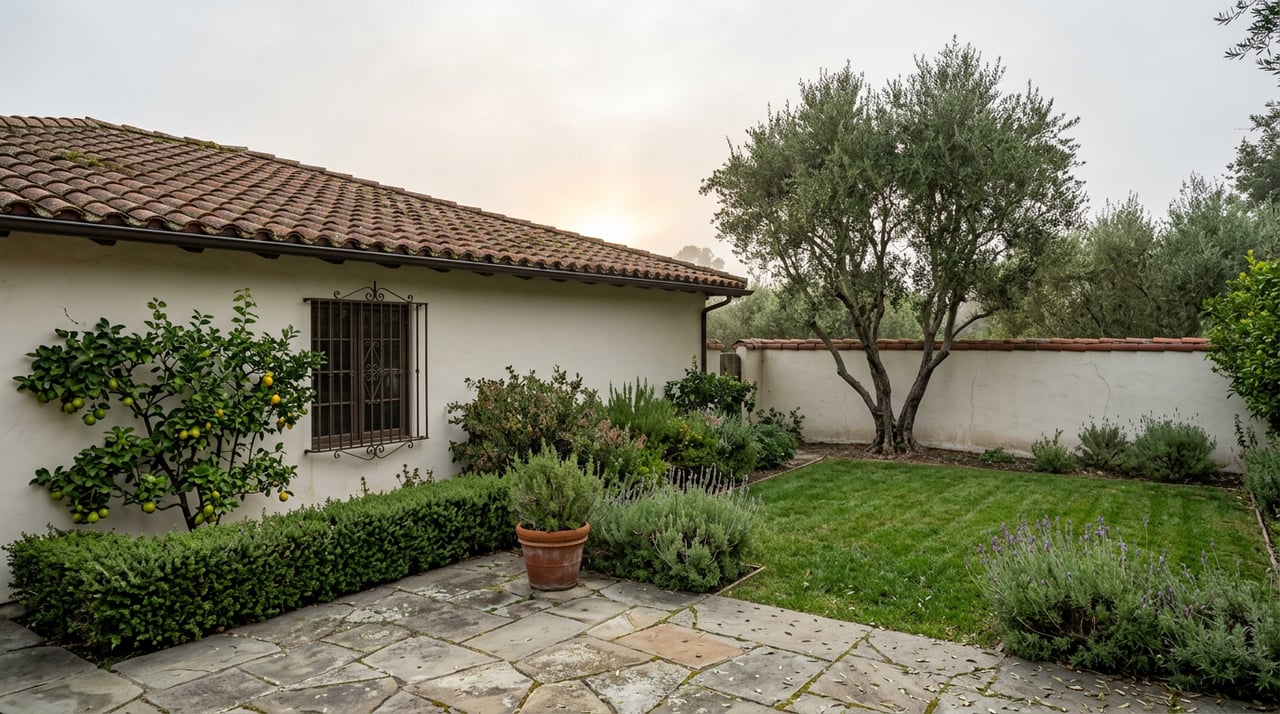
In Paso Robles, the phrase “country estate” usually refers to rural-residential or agricultural property in North County, not a large home on a standard in-town lot. San Luis Obispo County’s North County planning framework describes much of the area as agricultural and rural, which shapes how these properties function day to day.
That matters because the experience of living outside city limits can be very different from living in town. You may gain more land, more privacy, and more flexibility in how you use the property, but you may also take on more responsibility for utilities, water, wastewater, and site conditions.
In-Town vs Rural Paso Robles
Inside the city, Paso Robles provides municipal water and wastewater service to city customers. Downtown City Park also sits in the center of town near restaurants, shopping, and events, which adds convenience for buyers who want easier access to daily amenities.
Outside the city, county rules generally apply instead. The North County plan notes that some rural-residential areas include older subdivisions or dispersed parcels, and some residents deal with less efficient roads and more limited fire and police protection than in-town areas.
If you are comparing homes, this is one of the biggest mindset shifts. A country estate is often less about square footage alone and more about the full property system that supports the home.
What Lot Sizes Look Like
There is no single “standard” lot size for Paso Robles country estates. In unincorporated areas, lot size often depends on the county land-use category and the way the parcel was originally created.
County development standards show that Residential Rural cluster lots can range from 20,000 square feet to 4 acres. Rural Lands cluster lots can range from 1 to 10 acres, and the North County plan also describes parts of North Paso Robles with five- and ten-acre parcels, along with southwest Paso Robles subdivisions that have approximately five-acre lots.
Common Property Types
The area includes more than just large custom homes. County planning documents describe rural residential ranchettes and hobby farms, and note that west Paso Robles includes orchards and vineyards.
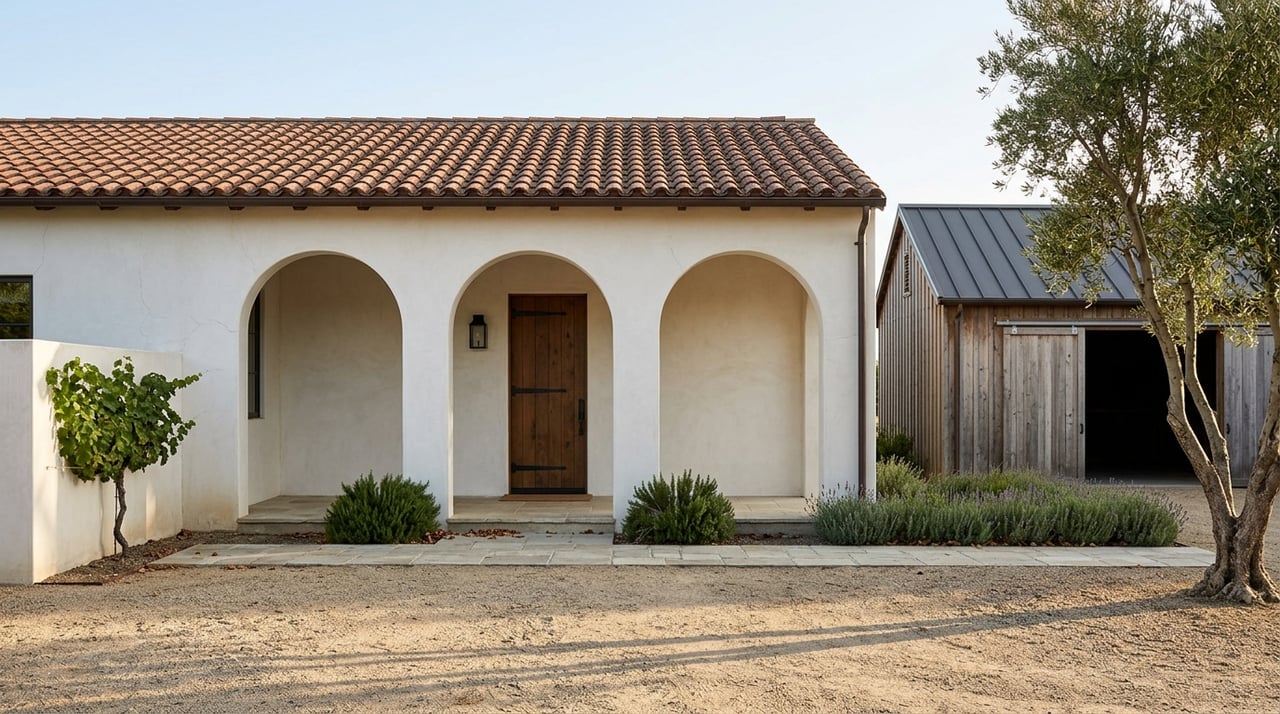
Depending on the parcel and county rules, buyers may also come across properties suited for horse-related use, guest space, or agricultural improvements. Riding academies and horse boarding are identified as appropriate uses in parts of west Paso Robles, which helps explain why equestrian-oriented properties are part of the local rural market.
Zoning and Use Matter
One of the most important things to understand is that acreage does not automatically mean unlimited flexibility. Before you assume you can add a guesthouse, expand a barn, keep animals, or build new structures, you need to verify the parcel’s APN and county land-use category.
County code treats garages, sheds, and guesthouses as accessory structures. It also recognizes a separate category for agricultural accessory buildings, which may be exempt from a building permit if they meet county and state criteria, while animal keeping is addressed separately in county rules.
Why This Changes Buying Decisions
Two properties with similar acreage can have very different development potential. That is why rural buyers often need to look past the home itself and evaluate what the property legally supports.
If you are shopping for a hobby farm, horse setup, vineyard potential, or extra guest space, this step can save you from expensive surprises later. It is one of the reasons country-estate purchases usually require more due diligence than a typical in-town home purchase.
Wells Need Careful Review
Water is one of the biggest checkpoints for any Paso Robles country estate. If the property relies on a private well, San Luis Obispo County states that the water is not regulated or monitored by an outside agency, which means the owner is responsible for water safety.
If a new well is needed, the county requires a well construction permit and a C-57 licensed well driller before drilling begins. That makes well status, production history, and future water planning especially important when you are evaluating a property.
Groundwater Conditions in the Basin
The Paso Robles Groundwater Basin covers about 436,000 acres. County groundwater reporting also states that levels are declining in some parts of the basin, and the county has identified an area of severe decline where groundwater levels dropped 50 feet or more from Spring 1997 to Spring 2013.
This does not mean every rural property has the same water situation. It does mean that water should be treated as a central part of your property review, not a side note.
Water Offsets for New Development
If you plan to build or expand, county water rules are especially important. For new development in the Paso Robles Groundwater Basin, the county requires 1:1 water offset credits before a construction permit is issued.
The county says this applies to new single-family dwellings, secondary units, guest houses, commercial buildings, and pools. If a property has a domestic well, a meter must be installed and monthly usage records must be kept.
Septic and Waste Systems Are Part of the Package
Rural living also often means onsite wastewater instead of city sewer. In San Luis Obispo County, septic systems are handled through the county’s onsite wastewater program.
County guidance states that applicants must prove a potable water supply before an OWTS permit can be finalized. It also notes that failing septic tanks require repair permits, which makes septic condition and permitting history an important part of your review.
Trash Service May Be Different Too
Even everyday services can work differently outside city limits. In rural areas of Paso Robles, trash and recycling service may be handled through Paso Robles Country Waste & Recycle rather than city service.
For buyers relocating from a more urban setting, details like this can feel small at first. In practice, they help define the rhythm and logistics of rural property ownership.
Access and Infrastructure Count
A beautiful house on acreage can still present challenges if the site itself is difficult to use. The North County plan notes that some rural-residential areas were developed on a haphazard basis, which can affect roads, circulation, and general efficiency.
The plan also notes that west Paso Robles can affect local flood conditions and may require careful grading or access planning. That is why driveways, approach roads, drainage, and site layout deserve just as much attention as the residence.
The Lifestyle Appeal of Paso Robles
For many buyers, the rewards of country-estate living are easy to see. Paso Robles is a major wine-country destination, and the Paso Robles Wine Country Alliance says the region has more than 200 wineries.
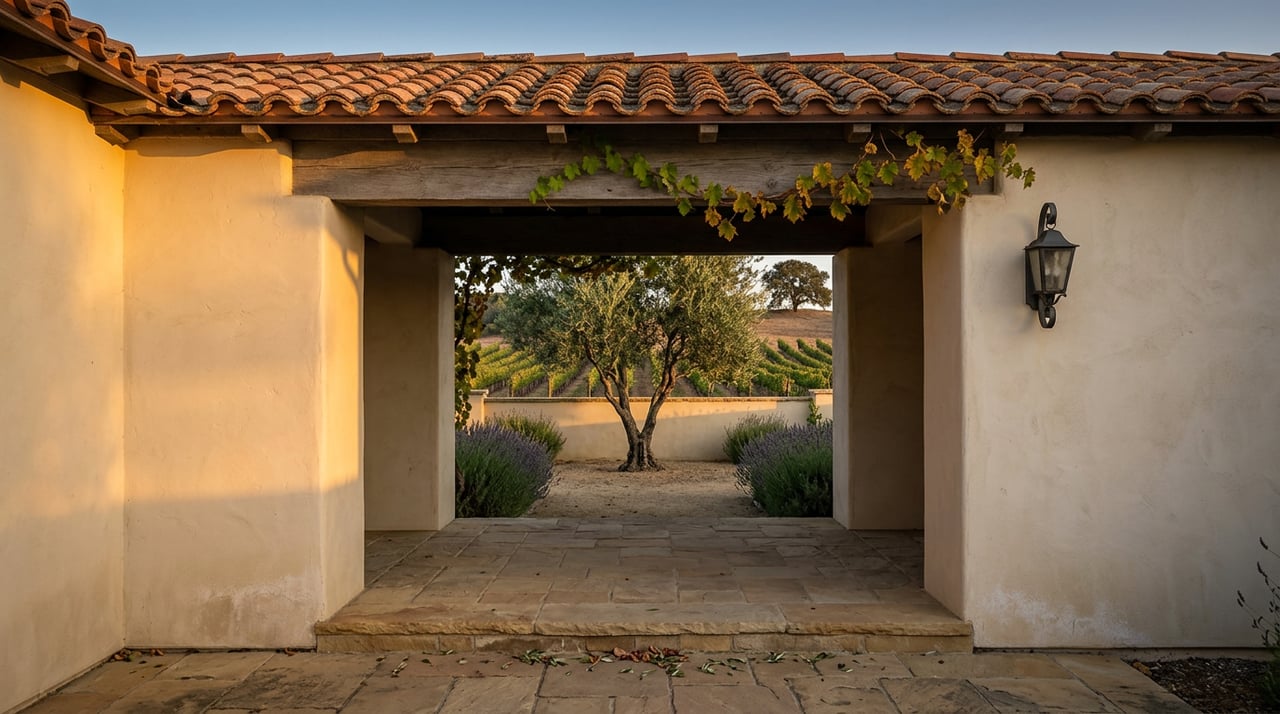
That wine-country identity shapes the broader lifestyle of the area. You can enjoy a setting known for vineyards, agricultural vistas, and rural privacy while still having access to downtown Paso Robles and its visitor amenities, restaurants, shops, and events.
What Many Buyers Are Really Looking For
In this market, buyers are often searching for more than a house. They may want a ranchette, a hobby farm, an equestrian setup, extra land for recreation, or space that supports guest use and a more private way of living.
That is why the best country-estate choice is rarely about finding the biggest parcel. It is about finding the property where land use, water, septic, access, and lifestyle goals all line up.
What to Check Before You Buy
If you are considering a Paso Robles country estate, keep your review focused on the property itself, not just the listing photos.
- Verify whether the property is inside city limits or in unincorporated county area
- Confirm the APN and county land-use category
- Review allowed uses for guest space, accessory structures, agricultural buildings, and animal keeping
- Determine whether the property uses city utilities, a private well, septic, or a mix of systems
- Ask about well status, metering, and any monthly usage record requirements
- Review septic condition and permit history
- Evaluate access roads, grading, drainage, and general site usability
- Understand whether future building plans could trigger water offset requirements
Why Local Guidance Helps
Country-estate transactions in Paso Robles tend to be more layered than standard residential purchases. Each parcel can come with its own combination of zoning, infrastructure, water questions, and land-use possibilities.
That is why experienced local guidance can make such a difference. When you understand how a property fits within county rules and the realities of North County rural living, you can make clearer decisions and move forward with more confidence.
If you are exploring Paso Robles country estates or preparing to sell a rural property with acreage, vineyards, equestrian features, or other unique attributes, Michele Smith eXp Realty of California Inc. offers discreet, high-touch guidance rooted in deep local knowledge of the North San Luis Obispo County market.
FAQs
What is a Paso Robles country estate?
- A Paso Robles country estate usually refers to a rural-residential or agricultural property in North County rather than a home on a standard city lot.
Are Paso Robles country estates usually on large lots?
- Lot sizes vary widely, with county standards showing Residential Rural cluster lots from 20,000 square feet to 4 acres and Rural Lands cluster lots from 1 to 10 acres.
Do Paso Robles country estates use wells and septic systems?
- Many rural properties rely on private wells and onsite wastewater systems instead of city water and sewer, so both systems should be reviewed carefully during due diligence.
What should buyers check about water in Paso Robles country estates?
- Buyers should review the property’s water source, well status, any domestic well metering requirements, and whether future development could require 1:1 water offset credits in the Paso Robles Groundwater Basin.
Can you add a guesthouse or barn on a Paso Robles country estate?
- That depends on the parcel’s APN, county land-use category, and the rules that apply to accessory structures or agricultural accessory buildings.
Is living in rural Paso Robles different from living in town?
- Yes. Rural living can offer more privacy and land, but it may also involve different road conditions, service levels, water systems, wastewater systems, and trash service than homes inside city limits.