Thinking about rolling your plane out of your own hangar and taking off from your backyard? In Creston and the rural parts of San Luis Obispo County, private airstrip properties can make that dream real. You want the freedom and lifestyle, but you also want clarity on rules, costs, and safety before you buy. This guide gives you a grounded view of what to look for, who regulates what, and how to protect your investment. Let’s dive in.
Creston overview and lifestyle fit
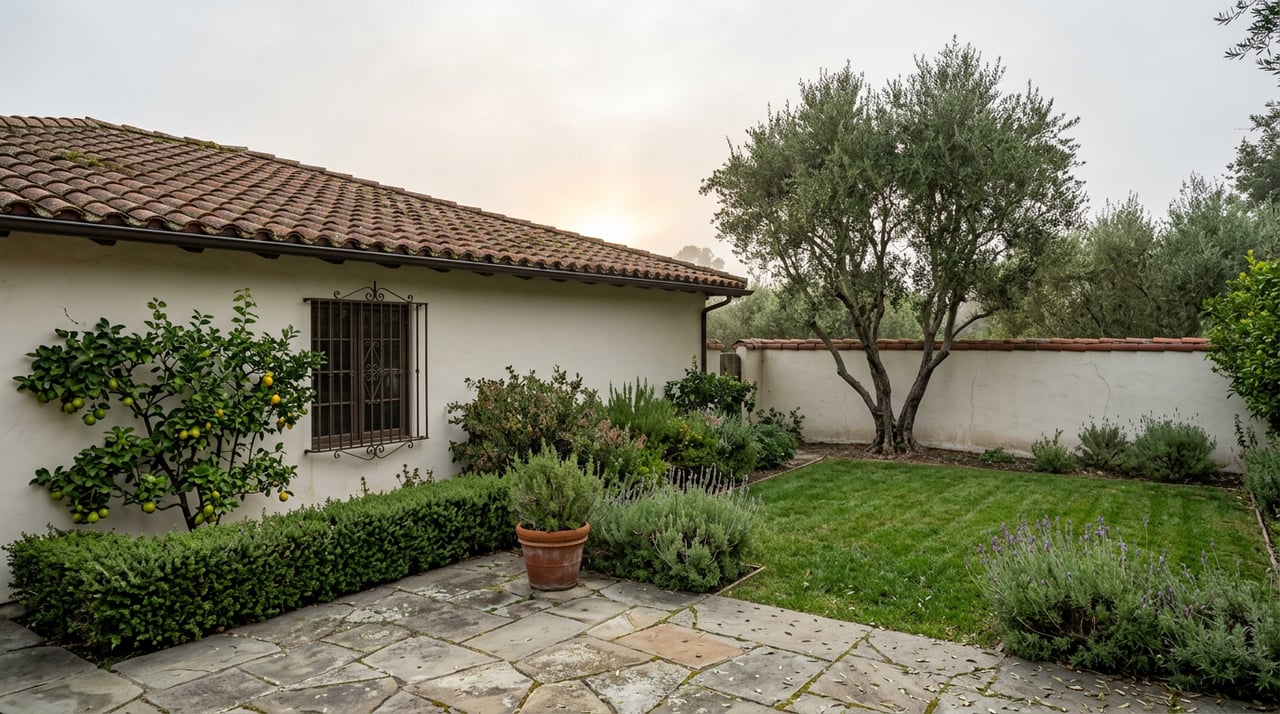
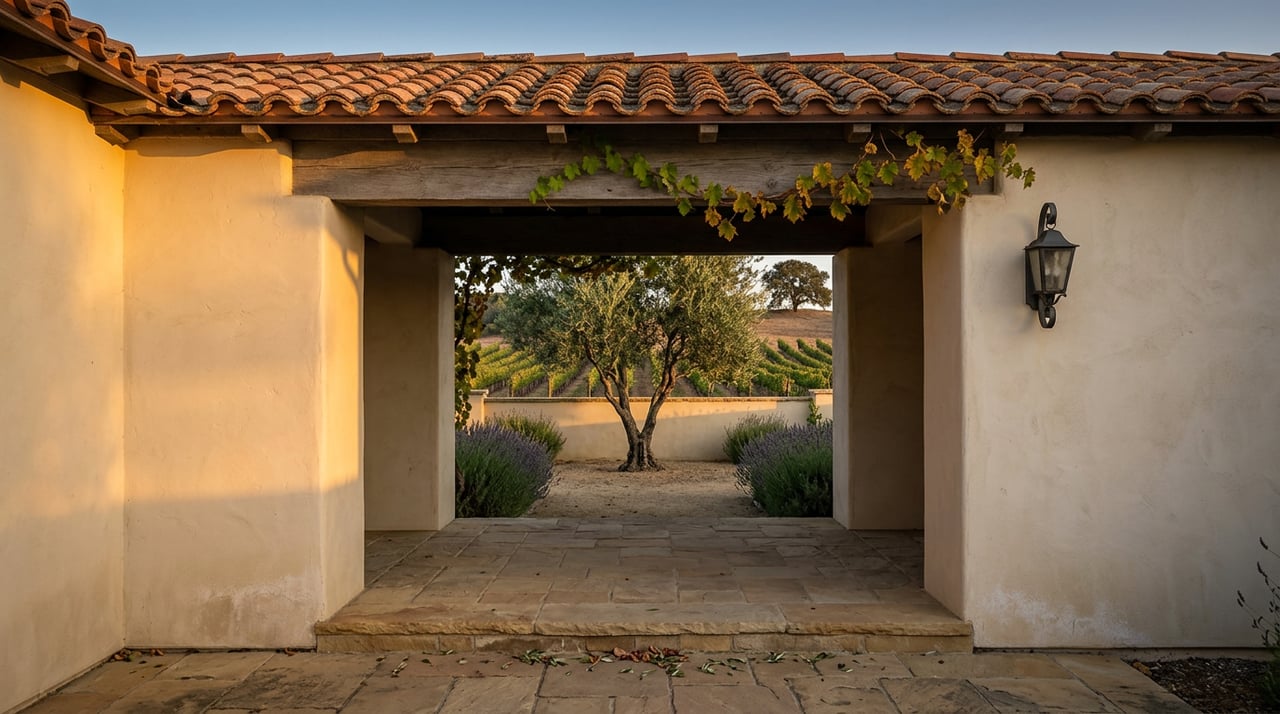
Creston is an unincorporated community in San Luis Obispo County. Properties here follow county land-use and permitting rules rather than city ordinances. You are looking at rural parcels, agricultural land, and areas with limited nearby services. That setting offers privacy and open skies, but it also means you must plan ahead for maintenance, insurance, and emergency access.
If you fly a single-engine aircraft or light twin, a private strip can be a convenient base. Think about your likely operations. Occasional recreational hops create different needs than frequent cross-country trips. Your aircraft type, expected runway length, surface, and lighting all influence safety, cost, and community impacts.
You will see a range of property types. Some are single-owner parcels with turf or gravel strips. Others are small airparks with shared runways, hangars, and recorded maintenance agreements. The governance model matters. An individual strip gives you more control, while a shared strip means you should review covenants, conditions and restrictions, and budgets for upkeep.
Regulations to know in SLO County
You deal with several layers of oversight, each covering different pieces of the puzzle:
- Federal Aviation Administration (FAA). The FAA regulates navigable airspace and aircraft operations. It also publishes airport design and safety guidance, which is useful even for private strips. You can review FAA land use compatibility concepts and design standards in the FAA’s land use guidance and advisory circulars. See the FAA’s resources on airport land use compatibility and advisory circulars.
- State of California. The Caltrans Division of Aeronautics provides state-level aviation information that can help you understand airport development context and compatibility planning. Explore Caltrans Division of Aeronautics.
- San Luis Obispo County. Zoning, building permits, septic and well approvals, and land-use approvals run through the county. A runway might be allowed as an accessory use in some zones, or it may require a conditional use permit. Start early with San Luis Obispo County Planning & Building to confirm what is permitted on your parcel.
If your project includes grading, hangar construction, or fuel storage, the county may require environmental review under California’s environmental law. You can learn how review works through the state’s overview of CEQA. In rural SLO County, you should also expect questions about biological resources, cultural resources, drainage, and noise during the local review process.
Wildfire risk is another factor. Portions of the county fall within mapped fire hazard severity zones. Building standards, defensible space rules, and insurance availability are influenced by these maps. Check the latest CAL FIRE wildfire maps as part of your planning.
Runway design and operations basics
A safe strip starts with the basics: runway length, surface, and approaches. The right numbers depend on your aircraft and performance needs.
- Runway length and surface. Small single-engine aircraft can operate from shorter turf or gravel strips, but larger or faster models often need longer, paved surfaces with good drainage. A professional approach and obstacle analysis can help you understand what your aircraft can safely do at this site.
- Approaches, departures, and obstacles. Trees, power lines, structures, and terrain can affect safety and usable runway length. Consider an obstruction survey and approach analysis by an experienced airport or airstrip consultant.
- Lighting and markings. Runway markings, a windsock, and clear traffic indicators improve situational awareness. Lighting increases cost and can trigger additional regulatory review. Discuss lighting with the county and your consultant before you commit.
If you plan to store fuel, expect additional safety and environmental requirements. Tanks, secondary containment, inspections, and hazardous materials reporting are part of responsible ownership.
Costs, insurance and risk management
Your largest recurring expenses usually include surface maintenance, vegetation and wildlife control, drainage and erosion work, and insurance. Paved surfaces need periodic resealing or repair. Dirt and gravel require grading and compaction after significant weather. Turf needs mowing and weed management. Good drainage pays for itself after heavy rains.
Insurance can be more complex than a standard residence. Carriers look closely at runway condition, wildfire exposure, any fuel storage, nearby populations, and distance to emergency services. Work early with a broker who understands aircraft, hangars, and premises liability. If you operate a shared strip or rent hangar space, make sure the policy covers those uses.
For airparks or shared strips, read the recorded maintenance agreement carefully. You want to understand cost allocation, how repair decisions are made, and who votes on special assessments.
Due diligence checklist
Use this checklist early in your search and immediately after you open escrow. It will save time and reduce surprises.
- Title and recorded instruments
- Order a current title report. Review easements, reciprocal access or avigation easements, CC&Rs, and any recorded maintenance agreements.
- Zoning and permits
- Confirm parcel zoning and permitted accessory uses with San Luis Obispo County Planning & Building. Ask whether any prior runway or hangar work was done with permits.
- Technical surveys and site assessments
- Commission a boundary and ALTA/ACSM survey.
- Obtain a topographic survey and runway profile.
- Request an obstruction evaluation and approach analysis by an aviation or airport consultant.
- Complete geotechnical and soils work if you plan to grade or pave.
- If required, schedule environmental surveys for biological resources, wetlands, and cultural resources. Review potential CEQA triggers using the state’s CEQA guidance.
- Runway condition and operations review
- Inspect the surface, drainage, markings, signage, and windsock.
- Match your aircraft performance to the runway’s length, elevation, and surface type.
- Review any maintenance records, cost history, and vendor contacts.
- Utilities, septic and water
- Verify well status and water rights. Confirm septic approvals through County Environmental Health.
- Confirm power availability and costs for hangar operations or lighting.
- Fuel and hazardous materials
- If fuel is present or planned, verify permits, secondary containment, and fire code compliance. Clarify ongoing inspection and reporting obligations.
- Align defensible space and fire requirements with guidance from CAL FIRE wildfire maps.
- Insurance and finance
- Obtain quotes for property, general liability, aircraft liability, hangarkeepers if applicable, and umbrella coverage.
- Confirm lender underwriting requirements for properties with airstrips.
- Community and governance
- For shared strips or airparks, read all governing documents. Understand dispute resolution, voting rights, and how operating rules are enforced.
- Speak with neighbors to learn about current usage patterns and expectations.
For additional context and best practices, many owners find value in resources from the Aircraft Owners and Pilots Association and the Experimental Aircraft Association. For technical standards, the FAA’s advisory circulars are a go-to reference.
How approvals typically work
Every parcel and project is different, but the pathway often looks like this:
Feasibility call and pre-application. Contact SLO County Planning & Building early. Share your property details and ask about zoning, permits, and any environmental review.
Site due diligence. Order surveys and engage an aviation or airport consultant to evaluate runway feasibility, approaches, and safety areas.
Environmental and design review. If your project involves grading, hangar construction, or fuel storage, the county may initiate CEQA review. Follow the state’s process outlined in the CEQA overview.
Building and operational readiness. As approvals finalize, line up contractors, finalize insurance, and set a maintenance plan for surface upkeep, vegetation management, and drainage.
Buyer tips for a smooth purchase
- Match aircraft to infrastructure. Let your aircraft’s performance book drive your runway, not the other way around.
- Plan for wildfire. Budget for defensible space, vegetation control, and higher insurance costs in mapped hazard zones.
- Keep neighbors informed. If the strip is shared or near other homes, clear communication helps maintain acceptance.
- Document everything. Clean permits, recorded agreements, and organized maintenance records make future resale easier and can improve underwriting.
Your next steps
If you are serious about a private airstrip property in Creston, start by confirming zoning with the county, checking wildfire maps, and scheduling an on-site runway and approach evaluation. Line up an insurance quote early and review all recorded documents for easements or operating rules.
When you are ready for targeted guidance, local knowledge matters. For discreet, high-touch representation and access to private and specialty listings, connect with Michele Smith eXp Realty of California Inc.. Request a Confidential Consultation.
FAQs
What permits do you need to build a private runway in Creston?
- In unincorporated San Luis Obispo County, zoning and building approvals run through the county, and projects with grading, hangars, or fuel storage may trigger CEQA review; start with a pre-application meeting at SLO County Planning & Building and review the state’s CEQA overview.
Who regulates aircraft operations on a private strip in California?
- The FAA governs navigable airspace and pilot rules; local governments regulate land use and facilities like runway construction and fuel storage but not aircraft operations in flight; see FAA guidance on airport land use compatibility.
How does wildfire risk affect ownership in SLO County?
- Fire hazard severity zones influence building standards, defensible space requirements, insurance availability, and premiums; review CAL FIRE wildfire maps for parcel-specific planning.
What ongoing runway maintenance should you budget?
- Plan for grading or surface repair, drainage and erosion control, mowing and weed management, wildlife control, and periodic resealing for paved surfaces, plus lighting and markings upkeep if installed.
How can a private airstrip impact resale value?
- It can add value for owner-pilots and airpark buyers, but it may narrow the general buyer pool; clean permitting, recorded agreements, and well-documented maintenance improve marketability.
Are there HOA or shared strip rules to review in airparks?
- Yes. Review CC&Rs and recorded maintenance agreements for cost sharing, operating hours, aircraft type limits, and dispute resolution before you close.
Which specialists should you hire during due diligence?
- Engage an aviation or airstrip consultant, a surveyor, a local permitting or civil engineer, an environmental consultant if needed, and an insurance broker familiar with aircraft and hangar risks; use FAA advisory circulars and Caltrans Aeronautics for reference standards.